

Skin Tag vs HPV: What’s the Difference and How to Treat Them
At Wendell Family Medicine in Wendell, NC, we provide clarity on the differences between skin tags and HPV (human papillomavirus). Skin tags are harmless growths typically caused by friction, while HPV can lead to warts, which are contagious. Our team offers expert diagnosis and treatment options for both conditions, ensuring that your skin health is well cared for with personalized attention. For more information, contact us today or book an appointment online. We are conveniently located at 2839 Wendell Blvd Suite 100, Wendell, NC 27591.
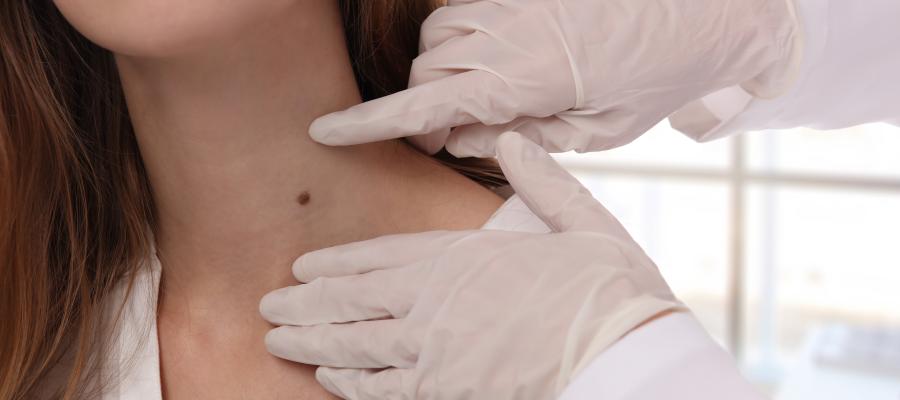
Table of Contents:
What is the difference between skin tags and HPV‑related warts?
Can HPV cause other types of skin growths?
What should I do if I think I have an HPV‑related wart?
Are HPV‑related warts and skin tags contagious?
Know the difference between skin tags and HPV with Wendell Family Medicine
Although skin tags and HPV‑related warts may both appear as small bumps on the skin, they are entirely different in cause, appearance, and contagiousness. Understanding how they differ can help you decide when to seek professional evaluation at Wendell Family Medicine.
Skin Tags
Skin tags (acrochordons) are benign, soft growths of normal skin that usually hang from a thin stalk. They most commonly appear in areas where skin rubs against skin or clothing, such as:
● Under arms
● Neck
● Groin or under the breast
● Eyelids or under jewelry
Skin tags are caused by friction and tissue growth over time. They are not painful or viral in origin and develop in people of all ages — though they are more common in people who are older, overweight, diabetic, or pregnant.
HPV‑Related Warts
Warts are caused by infection with the human papillomavirus (HPV), which triggers rapid growth of the top layer of skin. HPV‑related warts often have:
● A rough, grainy texture
● Small, dark dots on the surface (clotted blood vessels)
● A tendency to occur in clusters
● Pain when on pressure points (like feet)
Unlike skin tags, HPV‑related warts are caused by a virus and can spread from person to person or from one part of your body to another.
Yes — HPV is a group of viruses with many different strains, and several of them can lead to different types of growths depending on the area of the body affected and the strain involved.
Common Types of HPV‑Related Growths
● Common warts: Often appear on hands or fingers; rough texture.
● Plantar warts: Found on the soles of the feet; may be painful when walking.
● Flat warts: Smaller, smoother, and found on the face, arms, or legs.
● Genital warts: Transmitted through sexual contact and appear on genital or anal skin.
It’s important to understand that not all HPV strains cause the same type of growth, and only certain high‑risk strains are associated with cancers, such as cervical or throat cancer. Many HPV strains that cause warts on the skin are considered low risk and do not lead to cancer, but they can still be bothersome or uncomfortable.
Because different strains and lesions behave differently, accurate evaluation — like that offered at Wendell Family Medicine — helps determine whether a growth is likely HPV‑related or not.
If you suspect a skin growth is an HPV‑related wart, it’s wise to schedule an evaluation with a healthcare provider, such as the team at Wendell Family Medicine. Warts can vary in appearance and behavior, and similar‑looking growths may require different treatments.
When you come in for an evaluation, your provider will:
1. Examine the lesion visually
The texture, location, and appearance of the growth help distinguish warts from other bumps like calluses, cysts, or skin tags.
2. Ask about symptoms
Pain, bleeding, changes in size, or irritation can offer clues about the nature of the growth.
3. Discuss your history
Exposure, recent skin trauma, or family history of skin growths can be relevant.
Once a diagnosis is made, your provider will explain your options, which may include simple in‑office care, guidance for at‑home management, or monitoring if the growth is harmless and not bothersome.
Early evaluation also helps rule out skin conditions that might look similar but require different care.
HPV‑Related Warts
Yes, warts caused by HPV can be contagious. HPV can spread:
● Directly from skin to skin
● Indirectly through shared surfaces such as towels or gym floors
● From one area of your own body to another if you touch and pick at a wart
Because HPV thrives in warm, moist environments, areas like locker rooms, swimming pool decks, or communal showers can facilitate transmission.
It’s also possible for warts to spread within the same individual, particularly if they are scratched or irritated. For that reason, avoiding picking, biting, or rough handling of warts helps reduce spread.
Skin Tags
No — skin tags are not contagious. Since they do not involve a viral infection, skin tags do not spread from one person to another nor to other parts of your body on their own.
Understanding the difference between skin tags and HPV‑related warts empowers you to seek the right care and avoid unnecessary worry.
● Skin tags are harmless, non‑contagious growths caused by friction and tissue changes. They typically do not require removal unless they irritate or bother you.
● HPV‑related warts are caused by a virus and can spread without proper care. They may require evaluation and management to prevent spreading, reduce discomfort, and address cosmetic concerns.
At Wendell Family Medicine in Wendell, NC, providers offer thorough skin evaluations to help you identify which type of growth you’re dealing with and discuss the most appropriate approach for your situation.
During your visit, you can expect:
● A visual examination of any suspicious bumps
● A discussion of your symptoms and history
● Guidance on whether the growth is viral, benign, or needs monitoring
● Personalized recommendations for management if needed
Neither skin tags nor warts usually indicate serious health problems. However, if a growth changes in shape, bleeds, itches persistently, or causes pain, it’s always best to have it looked at professionally.
Whether it’s routine skin wellness or specific concerns about warts and tags, the team at Wendell Family Medicine is here to help you understand, manage, and feel confident about your skin health. For more information, contact us today or book an appointment online. We are conveniently located at 2839 Wendell Blvd Suite 100, Wendell, NC 27591. We serve patients from Wendell NC, Archer Lodge NC, Hocutts Crossroads NC, Zebulon NC, Eagle Rock NC, Shotwell NC, Middlesex NC, and BEYOND.
Check Out Our 5 Star Reviews



Additional Services You May Need
- Adult Medicine
- Chronic Care
- Diabetes Management
- Healthy Living
- Sick Visits
- Specialized Care
- Wellness
- Primary Care Physician
- Lab Testing
- Urgent Medical Issues
- Joint Injections (Steroid)
- Plantar Fasciitis
- Covid Testing
- STD Screenings
- Physicals
- Adolescent Medicine
- Pediatric Medicine
- Hypertension Management
- Sports Physicals
- Contraception Management
- Skin Tag Removal
- Wart Removal
- Callus Treatment
- Acne
- Immunizations
- Therapeutic Injections


 Send Text
 How May I Help You?