
When High Blood Pressure Becomes a Medical Emergency
At Wendell Family Medicine, we educate patients on when high blood pressure reaches dangerous levels and requires immediate attention. Uncontrolled high blood pressure can lead to life-threatening conditions such as stroke or heart attack. Our compassionate team provides emergency care and personalized treatment plans to manage and reduce high blood pressure risks effectively. For more information, contact us or book an appointment online. We are conveniently located at 2839 Wendell Blvd Suite 100, Wendell, NC 27591.
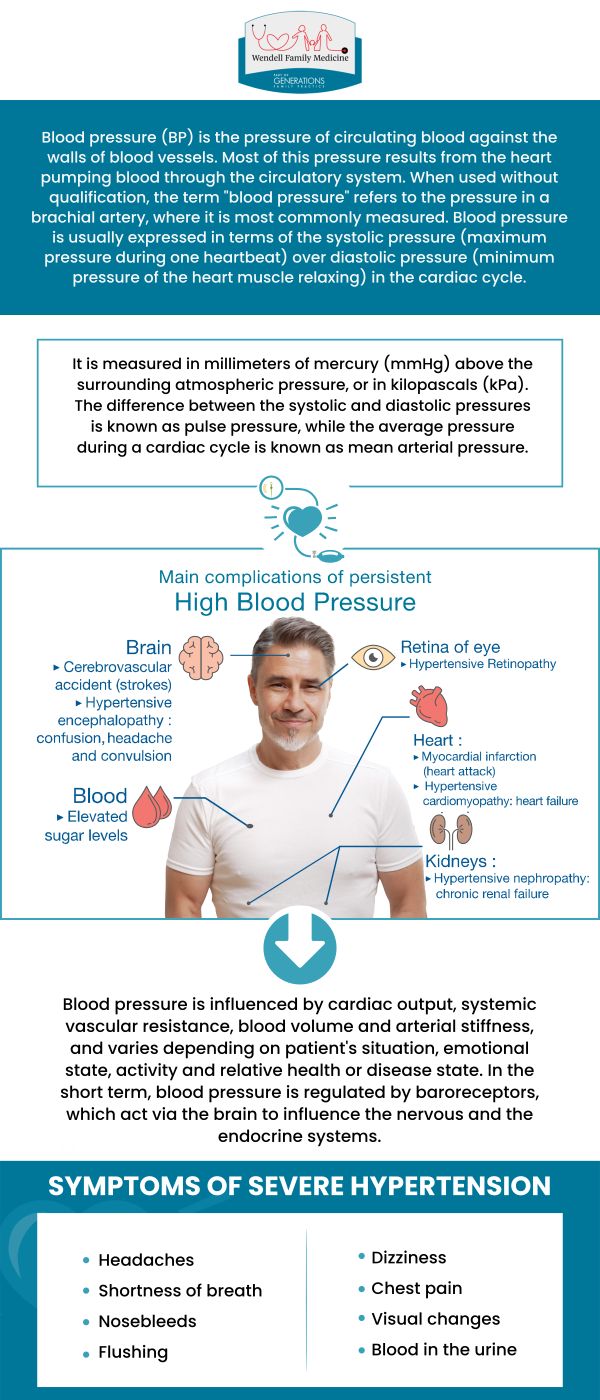
Table of Contents:
What are the warning signs of a hypertensive crisis?
How do I know if high blood pressure is causing organ damage?
Should I go to the ER if my blood pressure is extremely high?
Can chest pain or shortness of breath signal a high blood pressure emergency?
How quickly should high blood pressure be treated in an emergency?
Recognizing and responding to hypertensive emergencies at Wendell Family Medicine
A hypertensive crisis is a severe and sudden increase in blood pressure that can lead to serious health complications. At Wendell Family Medicine, patients are educated about recognizing early symptoms so they can seek urgent care before irreversible damage occurs. A hypertensive crisis typically refers to readings of 180/120 mm Hg or higher, but the numbers alone don’t tell the whole story—symptoms are important too.
Warning signs may include:
● Severe headache — intense, sudden, and unlike usual headaches
● Blurred vision or vision changes
● Chest pain
● Shortness of breath
● Severe anxiety or confusion
● Nosebleeds that are hard to stop
● Numbness or weakness on one side of the body
These symptoms can indicate that high blood pressure is overwhelming your body’s ability to cope. If you experience any of these alongside extremely high readings, immediate evaluation is essential. Wendell Family Medicine stresses that recognizing these signs early can prevent complications such as stroke or organ failure.
High blood pressure can silently affect organs long before symptoms become obvious. Organ damage happens when prolonged hypertension places continuous strain on blood vessels and tissues. Common indicators that blood pressure may be affecting organs include:
● Kidney issues: Changes in urination, swelling in legs or ankles, fatigue
● Heart problems: Chest pain, irregular heartbeat, shortness of breath with exertion
● Brain involvement: Persistent headaches, dizziness, confusion, memory issues
● Eye changes: Blurry vision, sudden vision loss, spots or flashes
At Wendell Family Medicine, providers emphasize preventive care and screening. Routine blood tests, kidney function panels, heart evaluation, and eye exams are part of monitoring for complications related to hypertension. Regular check‑ups help detect early signs of organ stress before it develops into a serious disease.
If your blood pressure reaches 180/120 mm Hg or higher, it’s considered a hypertensive crisis and warrants immediate medical attention. In such cases, the safest course is to seek help right away.
Emergency treatment may be necessary if:
● You have symptoms like severe headache, chest pain, or shortness of breath
● Your blood pressure remains extremely high despite rest
● There are signs of organ involvement (confusion, vision disturbances, weakness, numbness)
Emergency rooms are equipped to rapidly lower blood pressure and check for complications such as heart attack, stroke, or kidney failure. Wendell Family Medicine stresses that waiting to see if symptoms improve on their own can be dangerous. When in doubt, prompt evaluation in an emergency room or urgent care setting is recommended to prevent lasting harm.
Yes. Chest pain and shortness of breath are red‑flag symptoms that can occur during a hypertensive emergency. When blood pressure spikes, the heart and lungs may struggle to function efficiently under the increased stress.
Chest pain can signal that the heart is not receiving enough oxygen due to narrowed or strained blood vessels, and shortness of breath may occur when the heart begins to fail at pumping efficiently. These symptoms could point to life-threatening conditions such as:
● Heart attack
● Pulmonary edema (fluid in the lungs)
● Acute heart failure
At Wendell Family Medicine, patients are taught that even if blood pressure is high but not in the crisis range, the presence of symptoms like chest pain or difficulty breathing should never be ignored. These signs require immediate evaluation in a medical setting, as they may indicate a true emergency rather than a simple fluctuation.
In a high blood pressure emergency, every minute matters. When blood pressure reaches levels classified as a hypertensive crisis (180/120 mm Hg or above), prompt medical intervention is critical to reduce the risk of stroke, heart attack, and organ failure.
In emergency care:
● Treatment is often initiated immediately upon arrival
● Intravenous medications may be used to gradually lower blood pressure
● Continuous monitoring ensures safe reduction without causing harm from lowering blood pressure too quickly
The goal is to stabilize the situation first and then work on long‑term blood pressure control once the immediate danger has passed. Wendell Family Medicine emphasizes that delaying treatment during a hypertensive emergency can lead to permanent organ damage or life-threatening complications.
At Wendell Family Medicine, patient education and preventive care are core elements of cardiovascular health management. The practice encourages routine blood pressure monitoring — both in the office and at home — to identify trends that may indicate rising risk.
Their providers work with patients to understand not only what their numbers are but what they mean. Recognizing when blood pressure transitions from manageable to dangerous helps patients take action early. Their approach includes:
Personalized interpretation of readings
Your provider will help you understand what your numbers mean for your overall health, explain the difference between normal fluctuations and warning signs, and show you how to track your readings effectively.
Lifestyle management and prevention
Dietary changes, exercise recommendations, stress reduction techniques, and medication management are discussed as part of a comprehensive plan to keep blood pressure under control before emergencies arise.
Emergency guidance
Wendell Family Medicine ensures patients know when to seek urgent care versus when to schedule a same-day appointment. This clarity helps patients avoid unnecessary delays in getting help when they truly need it.
Collaborative care
For patients with complex medical histories, additional assessments like blood work, heart rhythm evaluation, and kidney function testing may be performed to detect early signs of organ stress.
For more information, contact us or book an appointment online. We are conveniently located at 2839 Wendell Blvd Suite 100, Wendell, NC 27591. We serve patients from Wendell NC, Archer Lodge NC, Hocutts Crossroads NC, Zebulon NC, Eagle Rock NC, Shotwell NC, Middlesex NC, and BEYOND.
Check Out Our 5 Star Reviews



Additional Services You May Need
- Adult Medicine
- Chronic Care
- Diabetes Management
- Healthy Living
- Sick Visits
- Specialized Care
- Wellness
- Primary Care Physician
- Lab Testing
- Urgent Medical Issues
- Joint Injections (Steroid)
- Plantar Fasciitis
- Covid Testing
- STD Screenings
- Physicals
- Adolescent Medicine
- Pediatric Medicine
- Hypertension Management
- Sports Physicals
- Contraception Management
- Skin Tag Removal
- Wart Removal
- Callus Treatment
- Acne
- Immunizations
- Therapeutic Injections


 Send Text
 How May I Help You?