
How to Identify High Blood Pressure Symptoms and Take Action
At Wendell Family Medicine, our team provides personalized care to help you identify and manage high blood pressure. We understand the importance of early detection and intervention in preventing complications like heart disease. Our approach combines lifestyle changes, regular monitoring, and evidence-based treatments to help you maintain a healthy blood pressure level. For more information, contact us or book an appointment online. We are located at 2839 Wendell Blvd Suite 100, Wendell, NC 27591.
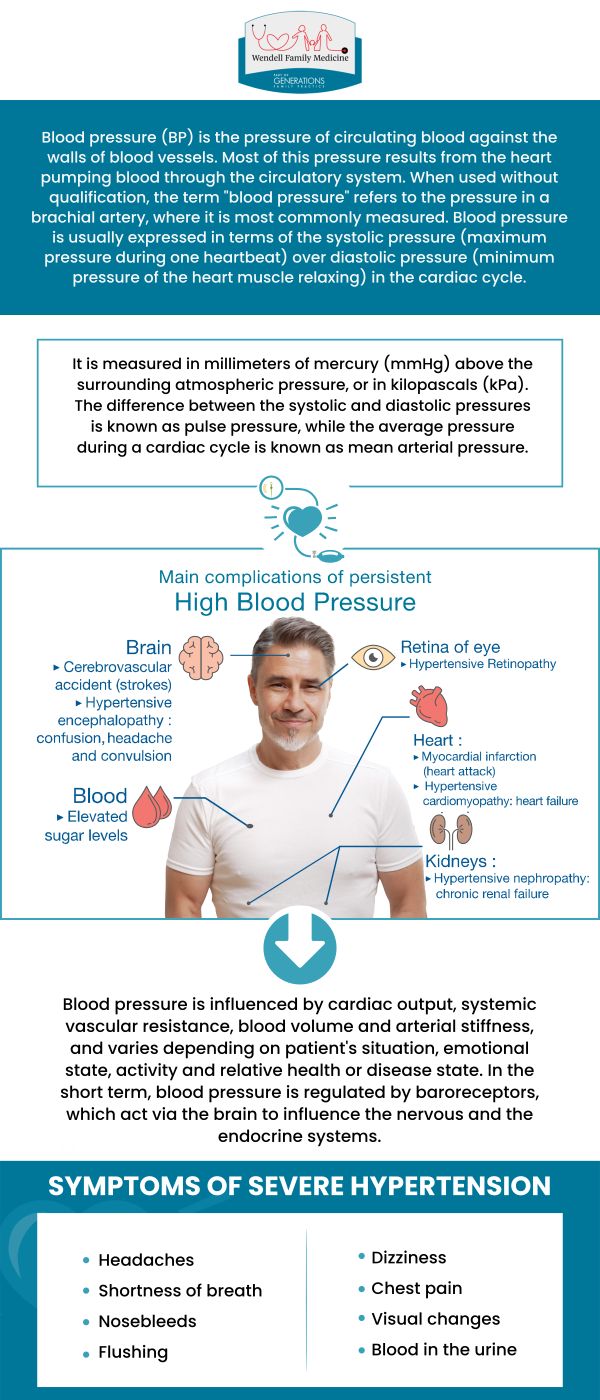
Table of Contents:
How can I know if I have high blood pressure?
Can high blood pressure cause immediate symptoms?
When should I take action for high blood pressure?
What should I do if I have high blood pressure symptoms?
How Wendell Family Medicine Helps You Detect and Manage High Blood Pressure Early
The only reliable way to know whether you have high blood pressure is by getting your blood pressure measured. Most people with hypertension do not notice any symptoms in the early stages because the condition often develops gradually and silently. A regular blood pressure check — either at a clinic visit or using a home monitor — is the best way to detect elevated readings. Consistently high measurements, such as a systolic pressure (the top number) above the generally accepted threshold of 130 mm Hg or a diastolic pressure (the bottom number) above 80 mm Hg, suggest hypertension and warrant clinical evaluation and possible treatment. Regular screening is especially important for adults with risk factors such as family history, obesity, diabetes, or older age, as these increase the likelihood of developing high blood pressure.
At Wendell Family Medicine, the team emphasizes routine checks for adults, even when no symptoms are present, because early detection allows for better long‑term management and can help protect against heart disease, stroke, and other complications.
In most cases, high blood pressure does not cause immediate symptoms. Because it usually develops slowly and without obvious signs, many people with hypertension are unaware they have it until it is measured during a routine check‑up. This is why hypertension is often called a “silent condition.”
However, when blood pressure rises to a dangerously high level — such as in a hypertensive crisis — some people may experience symptoms. These can include a sudden, severe headache, dizziness, blurred vision, chest pain, shortness of breath, or confusion. These signs are not typical in everyday high blood pressure but may indicate an urgent situation requiring immediate medical care.
Wendell Family Medicine advises patients that most hypertension does not cause immediate feelings of illness and reinforces the importance of regular monitoring, even in the absence of symptoms.
You should take action for high blood pressure when:
● Your blood pressure readings are consistently elevated over multiple measurements, not just a single high result. A reading that’s persistently at or above about 130/80 mm Hg may indicate hypertension and should prompt follow‑up with a provider.
● You notice any concerning symptoms that could reflect severe or rapidly rising blood pressure — such as intense headache, chest pain, shortness of breath, or visual changes — especially if these occur with high readings.
● You have other cardiovascular risk factors like diabetes, heart disease, or a family history of hypertension. In these cases, even moderate elevations in blood pressure deserve timely intervention to reduce the risk of complications.
Because hypertension is often asymptomatic, action should be taken based on measurements rather than how you feel. Regular screening, lifestyle changes, and discussions with your provider help determine when intervention is appropriate.
At Wendell Family Medicine, the clinical team works with patients to interpret readings, decide on the need for lifestyle changes or medications, and set goals tailored to individual risk profiles.
If you experience symptoms that could be related to high blood pressure, especially sudden or severe ones, you should:
1. Check your blood pressure as soon as possible. This can be done at home with a validated blood pressure monitor or by visiting a clinic.
2. Contact healthcare support right away if you have signs of a possible hypertensive emergency — such as severe headache, chest pain, shortness of breath, blurry vision, or confusion — along with very high readings. These symptoms may signal dangerously elevated pressure and require immediate medical care.
3. Follow up with a provider to confirm whether high blood pressure is the cause of your symptoms and to discuss management options, including lifestyle changes or medications if needed.
Because many people with high blood pressure do not feel ill, symptoms alone are not a reliable indicator of hypertension. Regular monitoring and professional evaluation are crucial. If symptoms come on suddenly and severely, seek urgent care. For less urgent symptoms, scheduling a visit with your provider at Wendell Family Medicine can help establish a diagnosis, assess possible causes, and create a personalized plan.
At Wendell Family Medicine, we emphasize the importance of early detection and management of high blood pressure, a condition that can be silent but harmful. By regularly monitoring blood pressure and evaluating risk factors, our team works closely with each patient to create a personalized care plan. Early intervention is key to preventing complications, and we help you maintain healthy blood pressure through lifestyle changes, medication, and ongoing monitoring. For more information, contact us or book an appointment online. We are located at 2839 Wendell Blvd Suite 100, Wendell, NC 27591. We serve patients from Wendell NC, Archer Lodge NC, Hocutts Crossroads NC, Zebulon NC, Eagle Rock NC, Shotwell NC, Middlesex NC, and surrounding areas.
Check Out Our 5 Star Reviews



Additional Services You May Need
- Adult Medicine
- Chronic Care
- Diabetes Management
- Healthy Living
- Sick Visits
- Specialized Care
- Wellness
- Primary Care Physician
- Lab Testing
- Urgent Medical Issues
- Joint Injections (Steroid)
- Plantar Fasciitis
- Covid Testing
- STD Screenings
- Physicals
- Adolescent Medicine
- Pediatric Medicine
- Hypertension Management
- Sports Physicals
- Contraception Management
- Skin Tag Removal
- Wart Removal
- Callus Treatment
- Acne
- Immunizations
- Therapeutic Injections


 Send Text
 How May I Help You?