
The Connection Between High Blood Pressure and Heart Health
At Wendell Family Medicine, our dedicated team helps you understand how high blood pressure affects heart health. We provide comprehensive care to manage blood pressure and reduce the risk of cardiovascular diseases. Our expert approach includes personalized treatment plans, regular monitoring, and lifestyle adjustments to safeguard your heart health. For more information, contact us or book an appointment online. We are located at 2839 Wendell Blvd Suite 100, Wendell, NC 27591.
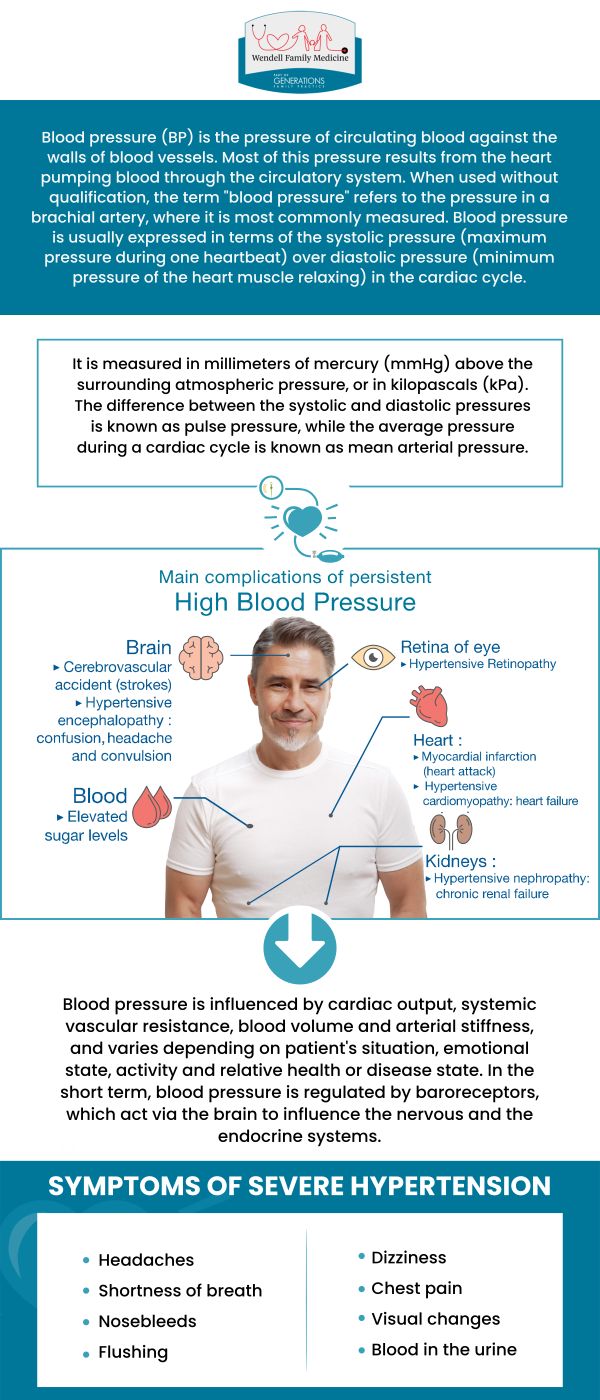
Table of Contents:
How does high blood pressure affect the heart?
How does high blood pressure contribute to heart failure?
How does high blood pressure affect blood vessels?
Can heart disease be reversed by lowering high blood pressure?
Why Understanding the Link Between High Blood Pressure and Heart Health is Crucial at Wendell Family Medicine
High blood pressure places extra strain on the heart because it forces the heart to work harder to pump blood throughout the body. When the pressure inside the arteries remains elevated over time, the heart responds by increasing the force of each beat and by thickening the muscular walls — especially in the left ventricle, which does most of the pumping work. This adaptation may help in the short term, but it can eventually reduce the heart’s efficiency and make it less capable of meeting the body’s demands. As blood pressure remains high, the persistent strain increases the risk of coronary artery disease, arrhythmias, and heart failure, even before symptoms become noticeable.
In addition, high blood pressure contributes to changes in the coronary arteries that supply oxygen and nutrients to the heart muscle. Damaged arterial walls are more prone to plaque buildup, which can further restrict blood flow and raise the risk of chest pain or a heart attack.
At Wendell Family Medicine, our team focuses on early detection and personalized blood pressure management to protect long‑term heart health and reduce the chances of these serious cardiovascular effects.
High blood pressure is one of the leading contributors to heart failure — a condition in which the heart cannot pump enough blood to meet the body’s needs. Chronically high pressure in the arteries causes the heart to work harder with each beat. Over time, this increased workload leads to left ventricular hypertrophy, a condition in which the heart’s main pumping chamber thickens and becomes stiffer. As the heart muscle becomes less compliant, it struggles to fill and pump efficiently, eventually weakening and failing to supply adequate blood flow.
This persistent strain can also cause structural and functional changes in the heart’s muscle and valves, further impairing cardiac output. When the heart can no longer keep up with the body’s requirements, fluid can back up into the lungs and extremities, leading to symptoms such as shortness of breath, fatigue, and swelling — hallmark signs of heart failure.
At Wendell Family Medicine, our team emphasizes the importance of controlling high blood pressure early to prevent these progressive changes and decrease the likelihood of heart failure and other complications.
High blood pressure affects blood vessels by causing damage to their inner lining and promoting changes that make them less elastic and more prone to disease. Constant high pressure inside the arteries can create small tears or injuries in the vessel walls. In response, the body attempts repair, but this healing process can attract cholesterol and fat deposits, leading to atherosclerosis — a buildup of plaque that narrows and stiffens the arteries.
Over time, this process reduces the ability of the vessels to expand and contract normally, making it harder for blood to flow smoothly. Narrowed, stiffened arteries increase the strain on the heart and raise the risk of coronary artery disease, heart attack, stroke, and problems in other organs that rely on healthy blood flow.
Damage from chronic high blood pressure isn’t limited to large arteries; smaller vessels can be harmed as well, leading to complications in the kidneys, eyes, and brain. At Wendell Family Medicine, our team works with patients to protect vascular health through lifestyle counseling, regular monitoring, and tailored care plans designed to reduce blood pressure and safeguard blood vessel integrity.
Lowering high blood pressure can significantly reduce the risk and progression of heart disease, and in many cases can improve heart and vascular function, but complete reversal depends on the nature and extent of existing damage.
When blood pressure is brought under control through lifestyle changes and, when appropriate, medication, the heart’s workload decreases. This reduction in strain can lead to improvement in the heart’s efficiency and slow or halt further structural damage. In the early stages of hypertensive heart changes, lowering blood pressure may allow the heart muscle to regain some flexibility and function.
However, if significant changes such as thickened heart walls or extensive arterial plaque have already occurred, those structural alterations may not entirely reverse. Instead, effective blood pressure control helps prevent further progression, reduce the risk of heart attack and heart failure, and improve overall outcomes.
At Wendell Family Medicine, our team guides patients through evidence‑based strategies — including diet, exercise, stress management, and medication when needed — to lower blood pressure and support cardiovascular health. Lowering blood pressure is one of the most effective steps you can take to improve heart health and reduce future cardiovascular risk, even if the condition cannot be entirely “undone.”
Understanding the connection between high blood pressure and heart health is essential for preventing long-term cardiovascular issues. At Wendell Family Medicine, we educate patients on how uncontrolled blood pressure can lead to heart disease, stroke, and kidney damage. Through comprehensive assessments and tailored treatment plans, our expert team helps you manage blood pressure, ensuring a healthier heart and overall well-being. For more information, contact us or book an appointment online. We are located at 2839 Wendell Blvd, Suite 100, Wendell, NC 27591. We serve patients from Wendell NC, Archer Lodge NC, Hocutts Crossroads NC, Zebulon NC, Eagle Rock NC, Shotwell NC, Middlesex NC, and surrounding areas.
Check Out Our 5 Star Reviews



Additional Services You May Need
- Adult Medicine
- Chronic Care
- Diabetes Management
- Healthy Living
- Sick Visits
- Specialized Care
- Wellness
- Primary Care Physician
- Lab Testing
- Urgent Medical Issues
- Joint Injections (Steroid)
- Plantar Fasciitis
- Covid Testing
- STD Screenings
- Physicals
- Adolescent Medicine
- Pediatric Medicine
- Hypertension Management
- Sports Physicals
- Contraception Management
- Skin Tag Removal
- Wart Removal
- Callus Treatment
- Acne
- Immunizations
- Therapeutic Injections


 Send Text
 How May I Help You?